Journeys in Healing: Joyful Bandages for Kids
Whenever a young one encounters a cut or cut, it can frequently transform into a stressful moment characterized by upset and anxiety. Nevertheless, the way we manage these little incidents can change those sobs into laughter. Enter Bandages of creative and creative bandages designed especially for children. These bright and whimsical dressings not only serve a functional purpose but also provide comfort and joy, making the recovery process much more enjoyable for kids.
In the following sections, we'll explore creative ways to make injury care an exploration, from picking the right products that cater to tender skin to discovering plasters adorned with beloved figures. We will address essential advice for managing little injuries, keeping scrapes clean, and even the facts behind the need to keep those injuries protected. Be with us as we explore the rich realm of kids' bandages and learn how to convert every little cut into an chance for play and recovery.
Imaginative Wound Cover Solutions for Young Ones
When it comes to caring for minor injuries in children, shifting a unpleasant moment into a fun experience can make all the difference. Custom kids' bandages come in a range of designs featuring beloved figures, vibrant colors, and playful patterns. This design not only makes the bandage more inviting but can also help distract children from the soreness of their injury. Using bandages adorned with superheroes, animals, or their most liked cartoon figures can transform tears into laughter, encouraging children to feel courageous and happy about their recovery.
Another creative approach to bandaging is the use of fun forms and patterns that add an element of playfulness to the first aid process. Stenciling drawings like spots, hearts, or even silly designs on bandages can engage a child's creativity, making it easier for guardians to apply them during moments of stress. Additionally, stretchy materials that stretch to a child’s play are essential for keeping bandages in place while they move and be active. High-quality silicone adhesive is a game changer for sensitive skin, ensuring that healing occurs without causing discomfort or additional crying during removal.
Finally, the interaction between sensory needs and bandage design is an important aspect. Vibrant hues and interesting patterns can appeal to children who may be more aware to colors and shapes, turning the experience of wearing a bandage into a fun accessory rather than a boring task. Parents can pick bandages that align with their child's likes to create a positive association with injury treatment, ultimately promoting agreement during first aid. This method not only helps with present cuts but also instills a long-lasting understanding of the importance of caring for their physical selves.
Safety and Material Factors
When picking bandages for kids, safety should be the top priority. It's important to choose hypoallergenic options, especially for children with sensitive skin or allergies. Hypoallergenic bandages are designed to reduce irritation and are less likely to cause allergic reactions compared to standard adhesive types. Always examine labels and ingredient lists to ensure you’re choosing bandages that focus on skin safety. In cases where the child has existing sensitivities, opting for tested brands that specialize in child-safe products can provide peace of mind.
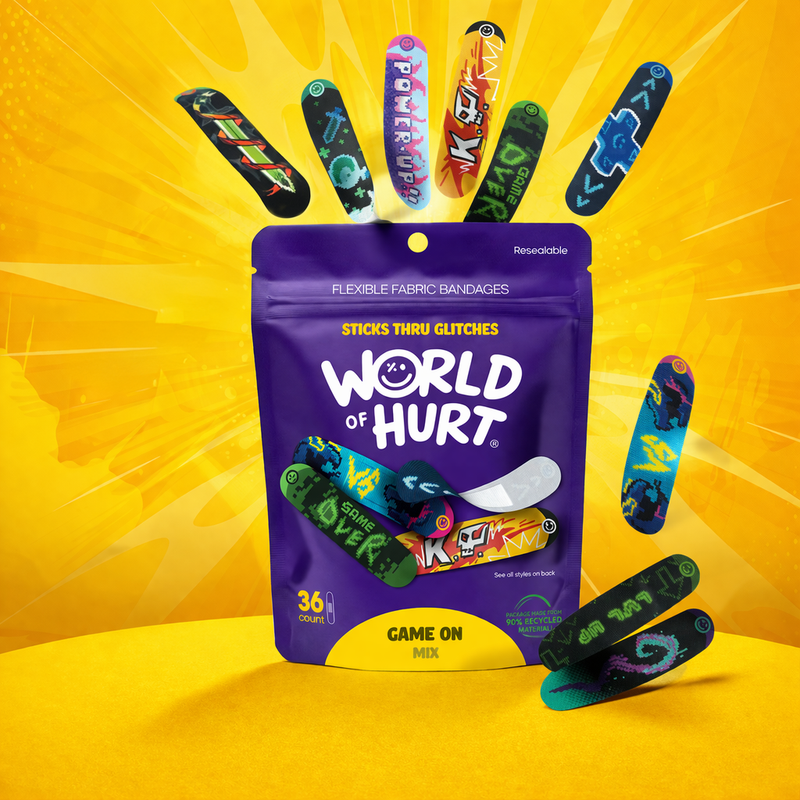
The material of the bandage is also essential. For sensitive toddler skin, breathable materials that enable air circulation can help prevent moisture buildup and skin maceration. Materials like flexible fabric or gentle silicone can also reduce friction and irritation, making the bandage more comfortable for active children. By ensuring the bandage goes on smoothly without too much stickiness, parents can help minimize discomfort during application and removal.
In addition to comfort, the best waterproof bandages are perfect for kids who enjoy outdoor activities like swimming or playing at the beach. These bandages should stay firmly in place despite exposure to water while effectively protecting minor cuts and scrapes. Assessing their durability and adherence will ensure they remain effective for longer periods, preventing the need for frequent replacements during fun.
Fun and Captivating Wound Care Techniques
When kids experience a minor scrape or cut, transforming the situation into a playful activity can significantly reduce their stress. One effective approach is to allow kids to pick their beloved bandage – whether it’s adorned with comic book heroes, fairy tale characters, or vibrant animals. This sense of ownership not only makes them more willing to comply with wound care but can also help distract them from the pain. Incorporating colorful adhesive strips can infuse a sense of enthusiasm into what could otherwise be a frightening experience.
Another engaging technique involves tales or creative play during the bandaging process. Parents can craft a narrative where the bandage acts as a protective shield protecting them from ‘germs’ or ‘monsters’ that might want to invade their wound. This fun distraction makes kids feel like valiant heroes or adventurers battling a tiny challenge, thus alleviating their fears and helping them feel empowered.
Additionally, creating a playful routine around wound care can further encourage kids to participate. Parents might establish a “fun bandage dance” they do every time a bandage is applied, or even reward them with a badge for being brave. Such uplifting reinforcement turns wound care into a collaborative and enjoyable ritual, fostering a favorable association with healing and encouraging children to take an active role in their own care.